Film Assignments (EC)
At ADOM Academy, education goes beyond mastering technical skills. These carefully selected films are designed to expand your understanding of healthcare, inspire curiosity, strengthen critical thinking, and reinforce the compassion and professionalism expected of future diagnostic medical sonographers.
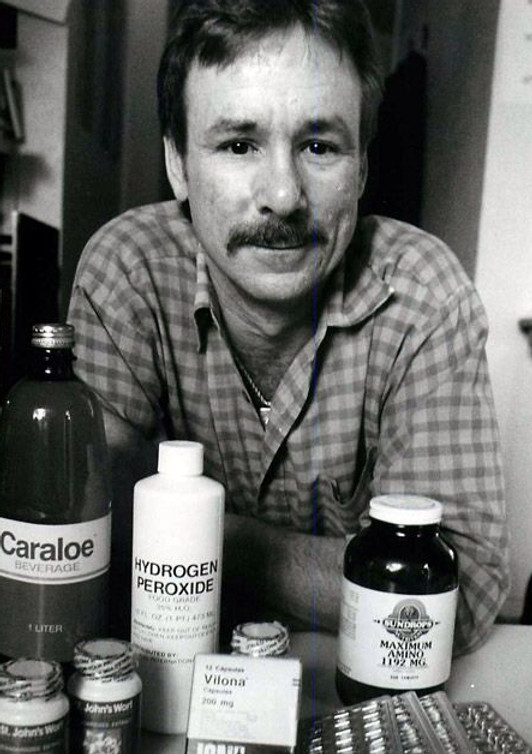
Lorenzo's Oil
Augusto and Michaela Odone refused to accept that their only son, Lorenzo, would die from an incurable, fatal disease. Instead of succumbing to the doctors, scientists and support groups that had accepted Lorenzo's dire fate, the Odone's did something else.
They found a cure.
LORENZO'S OIL
ABOUT LORENZO'S OIL
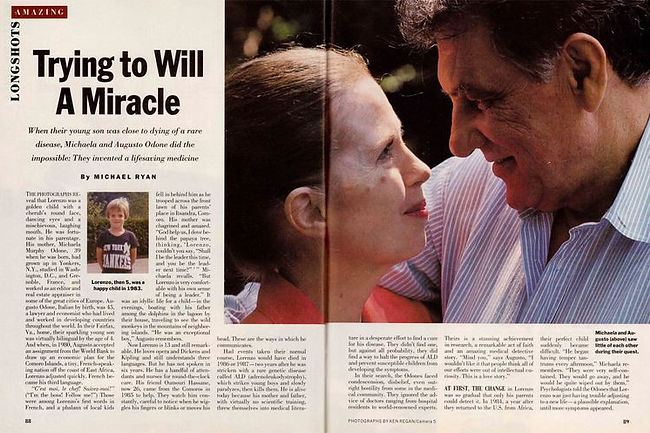
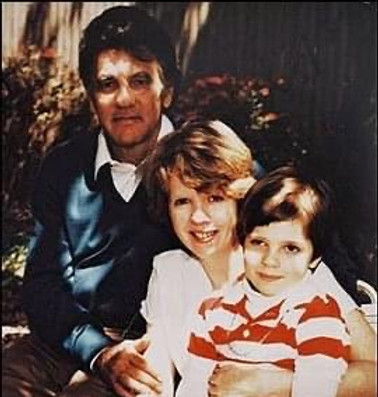
The movie Lorenzo's Oil is based on a true story and features Augusto and Michaela Odone, a young couple with a son, Lorenzo, ailing from a rare disease.
Lorenzo Odone suffered from a rare neurological disease known as adrenoleukodystrophy, or ALD. His father, Augusto was an Italian economist who defied doctors’ condemnation of the fate of his son and went on to discover the powerful potential of Lorenzo’s oil, a combination of a 4:1 mix of oleic acid and erucic acid, an extract of olive oil and rapeseed oil.
Lorenzo’s oil was designed to normalize the accumulation of the very long chain fatty acids in the brain thereby slowing the progression of adrenoleukodystrophy.
Lorenzo’s oil slowed the progression of ALD. At at age 14, Lorenzo showed constant improvement, revealing that he had regained his sight, could move his head, learned to use a computer, and vocalize simple sounds. Lorenzo was able to reach 30 years of age. Augusto Odone passed away in Aqui Terme, northern Italy in 2013, while his wife Michaela passed away in 2000 due to lung cancer.
THE CURE
The new treatment, Lorenzo's Oil, regulates accumulation of long chains of fatty acids in the brain.
THE CURE TODAY
Lorenzo's Oil has not been authorized by the U.S. Food and Drug Administration.
To this day, adrenoleukodystrophy is considered to have no cure. However, stem cell transplantation may stop the progression of ALD if done when neurological symptoms first appear.
Extraordinary Measures

EXTRAORDINARY MEASURES
ABOUT EXTRAORDINARY MEASURES
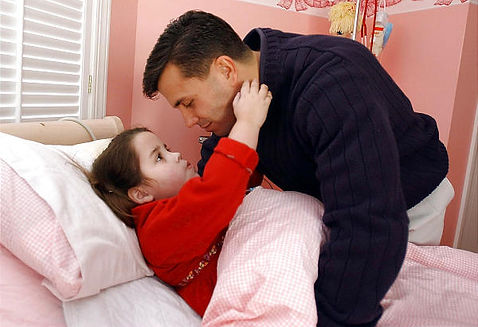
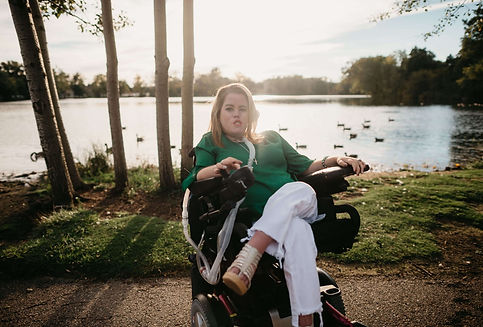
The movie is based on the true story of John and Eileen Crowley and their two children, Megan and Patrick, diagnosed with Pompe disease before they were two years old.
Pompe disease is an incurable, systemic disease where sugars build up in the entire body and can't break down causing organs and muscles to become overwhelmed and eventually fail.
When doctors told John Crowley that his children would not survive past their tenth birthday, he didn't accept it and instead, did something else. He found a type of cure. An enzyme treatment that is still used today.
The Crowleys started working with non-profit organizations to raise money for Pompe disease research. By the year 2000, with the help of a scientist friend, John started a small biotech company in the hopes of finding a cure for Pompe disease.
Dr. Robert Stonehill's character is based upon scientist and researcher William Canfield, who founded Novazyme. According to Roger Ebert's review, the character is based on Yuan-Tsong Chen, a scientist and researcher from Duke University who collaborated with Genzyme in producing Myozyme, the drug which received FDA approval. William Canfield is a glycobiologist, chief scientific officer and founder of an Oklahoma City-based biotechnology company, Novazyme, which was acquired by Genzyme in August 2001 and developed, among other things, an enzyme that can stabilize (but not cure) Pompe disease, based on Canfield's ongoing research since 1998. Canfield subsequently left Genzyme and established, with his partner in the Novazyme operation, John Crowley, another research laboratory (Cytovance Biologics), which he still heads. Yuan-Tsong Chen is a Taiwanese physician scientist, notable for his work on human genetic disorders. He is the director emeritus (2001–2010) and distinguished research fellow (2001–present) of the Institute of Biomedical Sciences, Academia Sinica, Taiwan, and also tenured professor of pediatrics of Duke University (1993–present) Chen was a 2019 awardee of Taiwan's Presidential Science Award.
Megan Crowley, the daughter of John and Aileen Crowley, the inspiration of Extraordinary Measures and ultimately, the reason the treatment for Pompe disease exists, has survived. She has since earned a Master's degree in Social Work from the University of North Carolina after achieving a Bachelor's from Notre Dame. She is currently working as a research assistant. Her astonishing story and achievements continue to be an inspiration to ADOM and to so many others.
THE CURE
Glycogen storage disease type II, also called Pompe disease, is an autosomal recessive metabolic disorder which damages muscle and nerve cells throughout the body. It is caused by an accumulation of glycogen in the lysosome due to deficiency of the lysosomal acid alpha-glucosidase enzyme. It is the only glycogen storage disease with a defect in lysosomal metabolism, and the first glycogen storage disease to be identified, in 1932 by the Dutch pathologist J. C. Pompe. Alglucosidase alfa, sold under the brand name Myozyme among others, is an enzyme replacement therapy (ERT) orphan drug for treatment of Pompe disease (Glycogen storage disease type II), a rare lysosomal storage disorder (LSD). Chemically speaking, the drug is an analog of the enzyme that is deficient in patients affected by Pompe disease, alpha-glucosidase. It is the first drug available to treat this disease. It was approved for medical use in the United States in April 2006, as Myozyme and in May 2010, as Lumizyme.
THE CURE TODAY
Myozyme and Lumizyme are used in the treatment of Pompe disease to this day.
Awakenings
AWAKENINGS
ABOUT AWAKENINGS
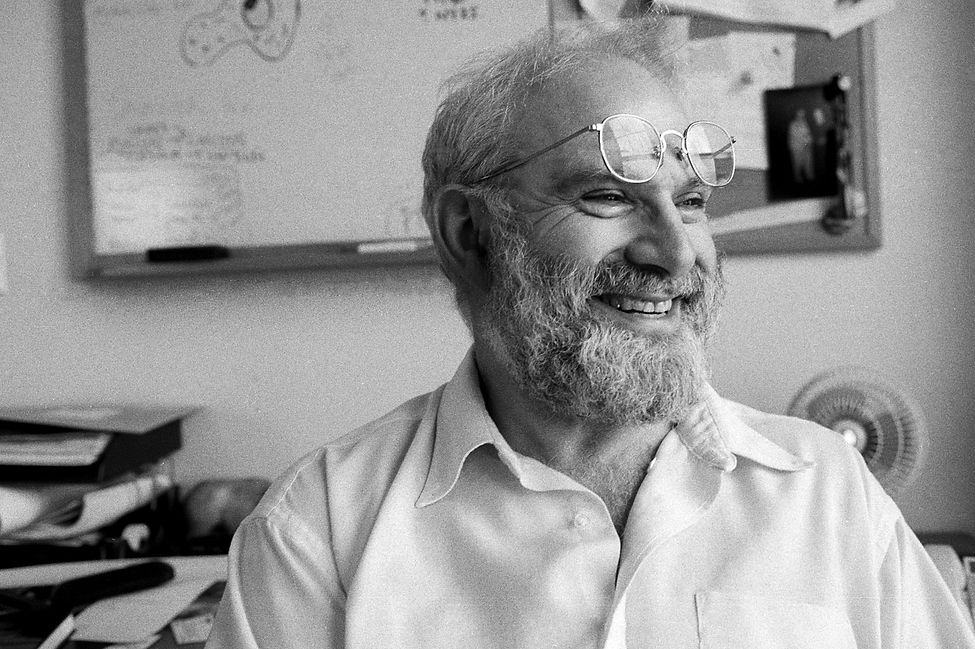
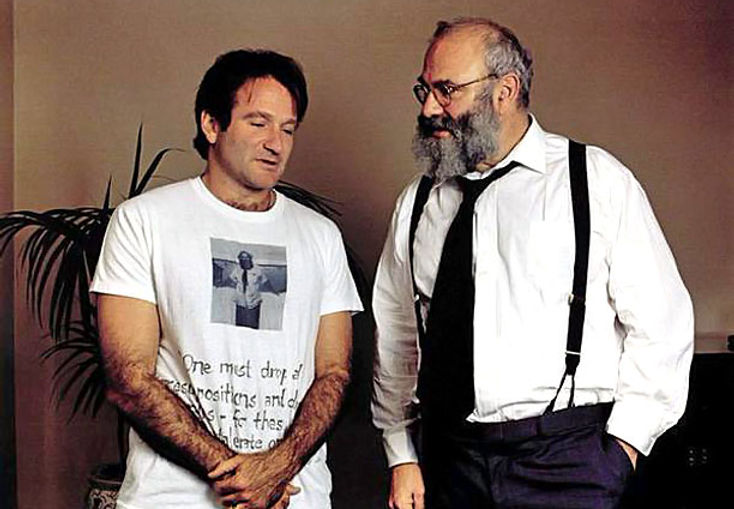
Dr. Malcolm Sayer, portrayed by Robin Williams in the movie Awakenings, was based on Dr. Oliver Sacks, a British neurologist, naturalist, historian of science, and writer (9 July 1933 – 30 August 2015)
Dr. Sacks's book Awakenings describes a series of extraordinary case reports explaining how patients trapped by Parkinsonism were re-awakened.
After the first world war, an epidemic of encephalitis lethargica started in Vienna and spread across the world. Many of those who survived developed a range of postencephalitic syndromes.
Dr. Sacks worked at Mount Carmel, an institution outside New York, which had 80 of these patients with post-encephalitic Parkinsonian syndrome. It affected all aspects of behaviour and trapped patients within themselves, often for decades. For patients such as Miriam H, who developed parkinsonism at the age of 12, levodopa was a miracle drug that released her from physical immobility at the age of 49.
His experiences led him to believe that the drug Levodopa (L-Dopa), could be beneficial for other diseases as well, including this type of Parkinson's disease.
Levodopa had dramatically different effects between patients and within the same patient. Despite being titrated slowly, the effects of levodopa were unpredictable and random.
Leonard L, when started on levodopa, returned to a happiness he “had not felt for thirty years.” Yet six weeks later he developed exaggerated sensitivity to the drug and even with tiny doses had uncontrollable side effects. Even when the drug was prescribed carefully, the complexity of the brain made taking it anything but straightforward, and for some patients it was a nightmare rather than a fairytale awakening.
Sacks was awarded a CBE for services to medicine in the 2008 Birthday Honours. He once stated that the brain is the "most incredible thing in the universe". He became widely known for writing best-selling case histories about both his patients' and his own disorders and unusual experiences, with some of his books adapted for plays by major playwrights, feature films, animated short films, opera, dance, fine art, and musical works in the classical genre.
THE CURE
L-Dopa was administered to catatonic patients who survived the 1917–1928 epidemic of encephalitis lethargica, an atypical form of encephalitis, also known as "sleeping sickness" or "sleepy sickness”. Their awakening has led to L-DOPA being used to treat Parkinson's disease today.
THE CURE TODAY
L-DOPA crosses the protective blood-brain barrier, whereas dopamine itself cannot. Thus, L-DOPA is used to increase dopamine concentrations in the treatment of Parkinson's disease, Parkinsonism, dopamine-responsive dystonia and Parkinson-plus syndrome. The therapeutic efficacy is different for different kinds of symptoms. Bradykinesia and rigidity are the most responsive symptoms while tremors are less responsive to levodopa therapy.
Film Reflection & Critical Analysis
After watching Awakenings and reading Lucy: A Patient Through the Ages of Medicine, write a 2–4 page paper addressing the following question:
What do you believe was the most likely cause of Lucy's condition?
Support your conclusion using evidence from the story, historical medical practices, and what you learned from the film.
Consider questions such as:
Did Lucy suffer from encephalitis lethargica following the 1918 influenza pandemic?
Could bromide toxicity from Bromo-Seltzer and Dr. Miles' Nervine have contributed to her neurological decline?
Did repeated exposure to arsenic (Fowler's Solution) or mercury (calomel) worsen her symptoms?
Could multiple factors have worked together rather than a single cause?
How did the medical knowledge available during the early 1900s influence physicians' decisions?
If Lucy were evaluated using today's medical knowledge and technology, how might her diagnosis and treatment differ?
Your paper should not simply summarize the story. Instead, develop and defend your own conclusion using evidence from the narrative and historical context.
There is no single correct answer.
Based on the evidence presented in both the story and the historical background, what do you believe was the primary cause of Lucy's condition? Defend your conclusion using evidence.
Your grade will be based on the quality of your reasoning, use of evidence, understanding of historical medicine, and ability to support your conclusions.
Historical Fiction Story of Lucy: A Patient Through the Ages of Medicine, by Kae Nussbaumer
Lucy
1918 – Fever and Fizz
Lucy pressed her feverish head against the cool pillow as the din of the influenza ward swirled around her. In Bellevue Hospital, beds overflowed into corridors and even closets – patients were laid on straw pallets on the floor amid the crisis bpr.org. The great 1918 “Spanish flu” pandemic had not spared 18-year-old Lucy. Each ragged breath burned her chest; nurses in white masks moved like phantoms through dim gaslight. To ease her pounding headache and raging thirst, an orderly brought a dose of Bromo-Seltzer. The blue bottle’s powder hissed and bubbled in water, releasing a calming fizz. Lucy sipped the tonic, unaware it contained sodium bromide, a sedative tranquilizer en.wikipedia.org. Early formulas of Bromo-Seltzer even used acetanilide as a pain reliever en.wikipedia.org, a chemical now known to be toxic. But in 1918, such details were little understood. The bromide soothed her for the moment, its sedative effect taking the edge off her nerves en.wikipedia.org. Around her, groans quieted as other patients too were given bromide-laced potions for relief. Bellevue’s philosophy was to never turn anyone away, and so Lucy received whatever remedy might comfort her in those critical hours.
She survived the influenza against the odds. As the autumn of 1918 faded, Lucy’s fever broke. Weak, she was discharged home. But the ordeal had left her frail and anxious. At night she couldn’t sleep. Memories of crowded wards and coughing patients haunted her. By lamplight her mother administered a spoonful of Dr. Miles’ Nervine, a popular patent “calmative” tonic. The liquid tasted bitter, with a hint of vanilla and something medicinal. Lucy didn’t know that the active ingredient in Nervine was bromide as well scttx.com. Marketed to treat “nervous exhaustion, sleeplessness, hysteria” and even convulsive fits scttx.com, Nervine promised steady nerves. And indeed, after each dose Lucy’s racing thoughts slowed. Her eyelids grew heavy; a languid calm settled over her. The bromides in the tonic tranquilized her overwrought nervous system scttx.com. It was a gentle peace, but a falsely earned one, leaching vitality even as it calmed. Unbeknownst to Lucy’s family, bromism (chronic bromide poisoning) was a real danger. At the time, bromide intoxication was so common that it accounted for up to 10% of admissions to psychiatric hospitals scttx.com. Such facts were buried in medical journals, far from the reach of ordinary families. Lucy’s mother only saw that the Nervine stopped her daughter’s nightmares and tremulous hands, at least for a while.
1920 – Tonics and Toxins
In the wake of the flu, a strange lethargy clung to Lucy. She tried to resume a normal life, but fatigue dogged her steps. Her legs felt leaden; headaches came often. Family doctor Harrison, an older physician schooled in Victorian therapies, proposed a tonic to “build up her blood.” He handed them a small bottle of Fowler’s Solution, advising a few drops daily in water. This reddish-brown solution contained potassium arsenite (an arsenic compound) and had once been hailed as a restorative remedy en.wikipedia.org. Indeed, Fowler’s Solution had been used for over a century as a treatment for maladies from malaria to anemia, a general tonic in low doses en.wikipedia.org. Lucy dutifully drank the arsenical potion each morning. It warmed her insides with a slight caustic burn. At first, she thought her appetite improved and her cheeks gained a hint of color. Arsenic was known as a stimulant in tiny doses, and many had sworn by Fowler’s tonic in generations past. But arsenic is a treacherous benefactor. Over weeks, Lucy developed stomach cramps and a tingling in her feet at night. She would wince as pins-and-needles sensations pricked her legs, an early sign of arsenic’s attack on her nerves. Dr. Harrison waved off her complaints, urging perseverance. How could such a traditional tonic be harmful? He was unaware (or unwilling to admit) that arsenical compounds are notably toxic and even carcinogenic, known to cause liver cirrhosis and nerve damage with long use en.wikipedia.org. Fowler’s Solution, once a darling of medicine, was quietly falling out of favor by the 1920s as its capricious effects became known sites.dartmouth.edu. But for Lucy, the damage was already beginning.
Her regimen of tonics expanded. For persistent constipation, a leftover woe from her bedridden weeks, the doctor prescribed calomel tablets. Calomel, the chalky white mercurous chloride pill, was a common laxative and “cure-all” from the previous century. “A mild dose of calomel will get her humors flowing,” Dr. Harrison assured. Lucy grimaced at the metallic taste but obeyed. Calomel was indeed potent: it purged her system thoroughly. However, each tiny pill also delivered a minute load of mercury into her body. Calomel had been used as medicine since the 1600s despite its risks en.wikipedia.org. By Lucy’s time it was already notorious for causing mercury poisoning in patients en.wikipedia.org. After a few courses, she noticed her hands trembled more, especially in the mornings. A subtle tremor in her fingers, a difficulty in buttoning her blouse. These were easy to blame on nerves or the lingering weakness of flu. No one connected it to the mercury accumulating in her tissues.
When Lucy’s hair began to thin and a fine bluish line appeared along her gums, her mother grew alarmed. These were classic signs of heavy metal poisoning, though they did not know it. Doctor Harrison misattributed them to the “after-effects” of influenza and the new mysterious illness on the rise, encephalitis lethargica. By 1920, cases of this “sleeping sickness” were being reported across the country. Patients who had seemed to recover from the flu or minor infections would develop strange neurological symptoms: extreme drowsiness or insomnia, movement disorders, even a trance-like state. Newspapers dubbed it the “sleepy plague.” Lucy’s own decline fit the pattern in the doctor’s mind. Here was a young woman, post-influenza, now lethargic, tremulous, depressed, surely it could be encephalitis lethargica. In truth, Lucy’s body was accumulating poisons from the very medicines meant to heal her. Her bromide sedative gave her brain fog by day; the arsenic tonic inflamed and then numbed her nerves; the mercury in calomel subtly eroded her coordination and cognition en.wikipedia.orgimss.org. But the medical science of 1920 had scant insight into chronic chemical toxicity. Instead, Dr. Harrison sadly pronounced that Lucy likely suffered from the dreaded post-encephalitic syndrome. “There’s been an epidemic of it since the war and the flu,” he told her parents, shoulders slumped. “I’m afraid her brain might be inflamed.”
Lucy heard this verdict in a detached haze. By then, she often felt she was floating outside her own body. She would sleep for hours at odd times and then be unable to sleep at midnight. Her moods swung from listless apathy to irritable outbursts that left her in tears. At other times, she experienced terrifying moments of confusion – once she momentarily forgot her own name and didn’t recognize her bedroom. These episodes of delirium were likely due to bromide intoxication, as high bromide levels can cause confusion and psychosis. But in 1920, her family and doctors saw only a mysterious illness attacking her mind. They never suspected that the over-the-counter tonics they gave her were contributing to these bizarre symptoms. After all, Dr. Miles’ Nervine and Bromo-Seltzer were advertised in every magazine as safe remedies for the nerves and stomach. Only obscure medical reports warned of the cumulative toxicity of bromides, which would eventually lead the U.S. to ban them in 1975 en.wikipedia.org. Such a warning lay decades in the future.
1923 – The Sleepy Sickness
Lucy’s condition worsened to the point that home care was no longer feasible. She had begun to experience what her mother described as “trances.” Some days Lucy would sit in a chair by the window, staring for hours at nothing, barely responding to her name. Her hands might twitch slightly, or she’d rub one thumb rhythmically against her forefinger, but she would not speak. Other days, violent muscle spasms would rack her body – strange “fits” where her arms jerked or her neck twisted involuntarily. These she would later have no memory of. Her parents, desperate for answers, took her back to Bellevue Hospital.
By 1923, Bellevue had a special ward for the survivors of encephalitis lethargica, the encephalitic sleeping sickness that had swept through after the flu pandemic en.wikipedia.org. Lucy was placed among rows of patients – many young like herself – who shared a haunting affliction. They sat motionless and speechless all day, eyes vacant, “totally lacking energy, impetus, initiative, motive, appetite or desire,” as one doctor described them theguardian.com. Neurologists in Europe and America had begun to call these patients “extinct volcanoes” theguardian.com – people who had once been full of life and now were frozen in time, their inner fires seemingly extinguished. Lucy drifted in and out of this statue-like state. Sometimes she was dimly aware of the world; at other times consciousness slipped from her like a boat unmoored in a fog.
In moments of clarity, she felt terror. What is happening to me? she would think, but her lips refused to form the words. She overheard physicians making rounds, speaking in low tones about her and the others. “Post-encephalitic parkinsonism… another young one, poor dear,” murmured one. They tested her reflexes with rubber hammers, shone lights in her eyes. One professor from Europe mentioned the name von Economo, explaining that this Viennese doctor had first identified encephalitis lethargica in 1917 en.wikipedia.org. Lucy’s case, they all agreed, fit the diagnosis. Her family was informed that there was no known cure. Some patients spontaneously improved, but many did not. With heavy hearts, her parents realized that Bellevue was ill-equipped for long-term care of such a chronic condition.
Through 1924 and 1925, Lucy was moved to a chronic care facility, Beth Abraham Home for Incurables in the Bronx. Founded only a few years earlier, in 1920, Beth Abraham was a nursing home dedicated to patients with long-term illnesses, many of whom were impoverished or without family. Lucy, now in her mid-twenties, became essentially a resident in a community of the “incurable.” The staff at Beth Abraham were kind but few. Days in the home slipped by with a dreary sameness. Lucy was fed, bathed, and dressed, but otherwise left sitting in a day-room among other silent figures in wheelchairs. There was one other young woman who had the same faraway look; an older man who occasionally shouted obscenities without warning (a legacy of his brain injury); a middle-aged former schoolteacher who rocked incessantly in her chair humming tunelessly. It was a gallery of ghosts. Cut off from humanity, in a deeply strange, frozen state, Lucy and her peers were often oblivious to the passage of time or what had befallen them theguardian.comtheguardian.com. In Lucy’s case, however, her mind was not entirely lost. Inside, she still had periods of awareness, her thoughts and feelings fixed unchangingly at the point her long “sleep” closed in on her theguardian.com. In her dreams, she was back in 1918, a girl on the cusp of adulthood, before illness eclipsed her world.
When the nurses at Beth Abraham could steal a moment, they might speak gently to Lucy, unsure how much she understood. One nurse, a cheerful Bronx widow named Esther, liked to comb Lucy’s now-graying hair and gossip softly about the goings-on in the city. Esther would bring in the Bronx Home News and read snippets, hoping to spark any glimmer in her patient. On rare occasions, Esther thought she saw a reaction – a tear when she mentioned a moving story, or a faint smile at a joke. But mostly, Lucy remained trapped within. Over the decades, many doctors cycled through the Home for Incurables. Some tried experimental treatments on these “human statues.” In the 1930s, one optimistic neurologist tried a series of injections of arsenic-based compounds, recalling an older therapy for syphilitic paralysis. Unwittingly, he subjected Lucy to more arsenic (a derivative of the infamous Salvarsan perhaps), which only worsened her neuropathy. Another time, a well-intentioned physician attempted mercury ointment rubs on Lucy’s limbs – Unguentum Hydrargyri, the old blue mercurial salve once used for skin diseases imss.org. He had read a paper suggesting that mercury, absorbed through the skin, might “stimulate” the body. The salve, a mix of fatty lard and mercury in a 2:1 ratio imss.org, was gently massaged into Lucy’s arms for a week. It did nothing except give her a rash. The doctor halted the experiment, and the tainted ointment jar with its skull-and-crossbones label imss.org was returned to the pharmacy. Each attempted cure only layered more toxicity onto Lucy’s frail body. Eventually, the staff settled into resigned acceptance. Lucy was fed and kept clean; beyond that, all they could offer was compassion.
1969 – Awakening
Time’s arrow flew onward. The world outside Beth Abraham changed beyond recognition. The Jazz Age, the Depression, World War II, the atomic era, rock-and-roll – all while Lucy sat in her chair by the window, hands folded, eyes vacant. By 1969, Lucy was nearly 70 years old, though she appeared ageless in a way, her expression as unlined and blank as a marble statue. That spring, a new doctor arrived at Beth Abraham. Dr. Oliver Sacks was a young neurologist, rumpled and earnest, with a gentle British accent. He had heard about the post-encephalitic patients hidden away here and was filled with curiosity and empathy. Walking into the day-room for the first time, Dr. Sacks felt as if he’d stepped into a forest of sleeping trees. Patients stood or sat “as passive as zombies,” he observed later, effectively moribund yet somehow alive underneath theguardian.com. He was particularly moved by the sight of one white-haired woman by the window – Lucy – whose delicate hands trembled almost imperceptibly in her lap, tracing the air as if remembering piano keys.
Dr. Sacks had caught wind of a revolutionary new drug, levodopa (L-DOPA), being used experimentally in Parkinson’s disease. He theorized that the “frozen” survivors of encephalitis lethargica were essentially stuck in a Parkinsonian state – their brains starved of dopamine. If so, L-DOPA might rekindle their movement and perhaps their souls. After careful persuading of hospital administrators and families, Sacks obtained permission to try L-DOPA on a group of patients, Lucy included.
On July 15, 1969, a date Lucy’s caretakers marked in their logs with two underlined stars, she received her first dose. A nurse slid a small tablet between Lucy’s lips and coaxed it down with a sip of water. The drug had been costly in years past, but now it was finally affordable enough to use goodreads.com. Sacks and the staff watched Lucy and the others intensely those first hours, hoping for any sign. Initially, nothing. Lucy remained unmoving, eyes unfocused. They continued the doses at regular intervals.
Then, on the third day, just as the sun streamed golden through the high windows, Lucy awoke. There was no other word for it, she stirred in her chair, blinked rapidly as if realizing anew that she had eyes, and slowly turned her head to track the sunbeam on the floor. Esther, now herself elderly but still working at the Home, was the first to notice. “Doctor… she’s looking around,” Esther gasped. Dr. Sacks hurried over. Lucy’s brown eyes, which for decades had stared through people, now met his. “Hello, Lucy,” he said softly. She inhaled as if to speak. Her throat worked, but no sound came out at first. He offered a sip of water. Lucy’s withered vocal cords tried again. In a cracked whisper, she answered, “Hello… doctor.” It was the first word she had spoken in over 40 years.
What followed in the next days was nothing short of miraculous. With continued L-DOPA, Lucy rapidly “came back to life.” She went from barely lifting a finger to walking ,unsteadily, with a cane down the hall. Her face, long slack and mask-like, now shone with expression, surprise at the sight of herself in a mirror (she reportedly burst into tears upon seeing her white hair and aged face, the shock of lost years overwhelming her), delight at tasting strawberry ice cream from the hospital commissary. “I’d forgotten such a taste!” she exclaimed, and sorrow when she learned which loved ones had died during her lost decades. It was as if a great gray veil had been lifted from her mind. Her memories of the long “sleep” were hazy; it felt to her like a long, indistinct dream. But her memories from before 1923 were vivid and intact. She peppered Dr. Sacks with questions about the modern world. A television was wheeled in so she could watch the news – man had walked on the moon just days earlier, an idea that left her giddy and incredulous. “All those years, and I wake up in a science fiction,” she murmured, half joking, half in awe.
Medically, the transformation was astonishing. Sacks recorded that the effects of L-DOPA were dramatic but, in many cases, temporary en.wikipedia.org. For Lucy, at first, it was all progress. She kept a notebook at Dr. Sacks’ encouragement, writing down her experiences. Her handwriting, shaky at first, improved as she practiced. In poetic lines, she described her inner world: “I dreamed I was a girl made of glass, kept on a shelf watching seasons turn to dust. Now the glass girl cracks and inside is an old woman who still feels seventeen.” She even had the insight to wonder whether the medicines of her youth had somehow done this to her. In conversations with Sacks, Lucy recounted all the tonics and pills she could remember, the fizzing Bromo-Seltzer, the foul Nervine, “little white mercury pills” (calomel) that made her mouth sore, the arsenic drops that darkened her fingernails. Dr. Sacks listened gravely. By 1969, the medical community was well aware that those old patent medicines were toxic. Sacks suspected that Lucy’s original illness might have been exacerbated, if not outright caused, by heavy metal poisoning. However, it was impossible to be sure after so long. He gently told Lucy that, regardless of the cause, she had indeed exhibited the classical signs of post-encephalitic syndrome. Whether the encephalitis was triggered by a virus or by toxins, no one could say. Lucy responded with a sad, wry smile: “All I know is, the cure did me in.” She tapped her temple, recalling how each elixir had been touted to help her yet left her worse. Sacks squeezed her hand, wishing he could undo the harm done by a bygone era of medicine.
For a glorious summer and autumn, Lucy lived a second life. She bonded with other “awakened” patients in the ward, swapping stories from their youth in the Roaring Twenties. She ventured outdoors to the garden, marveling at the feel of sun and chill October wind on her skin as if for the first time. She spent hours writing: letters to a few surviving relatives, and diary entries capturing the flood of emotions – gratitude, grief, wonder – that accompanied her return to awareness. The staff remarked that her very presence had changed; she no longer resembled a living statue but rather a kindly grandmotherly figure with lively eyes who often hummed snatches of old Irving Berlin tunes.
However, as months passed, cracks began to appear in the miracle. L-DOPA, while powerful, was not a simple restoration. Some patients experienced frightening side effects, likening the onrush of stimulation to a storm they could not control theguardian.com. Lucy too began to have spells of agitation. At times she became hyperactive – barely sleeping, talking rapidly of plans to “make up for lost time.” She would pace the halls with unexpected energy, as if driven by an inner motor. Then came bouts of twitching – sudden jerks and writhing movements called chorea caused by the overstimulation of her dopamine-starved brain. “It’s like my body wants to dance without me,” Lucy joked weakly, trying to make light of the involuntary motions. In her diary she wrote: “My reanimated limbs are capricious. They obey, then rebel. Is it me, or the drug, or some forgotten illness reminding me it’s still there?”
By winter, Lucy’s progress had plateaued. Worse, the precious gains began to reverse. The awakening proved temporary, as Dr. Sacks had cautiously predicted en.wikipedia.org. Lucy’s doses were adjusted, even briefly halted, to try to control the side effects. Each change sent her into either stiffening paralysis or wild restlessness. The rollercoaster was exhausting. A deep fatigue settled into Lucy’s bones. On Christmas Eve of 1969, she asked Esther to wheel her to the chapel in the hospital. In the soft glow of candlelight, Lucy prayed aloud, the first and last time Esther ever heard her raise her voice in song, as she haltingly joined in “Silent Night.” It was, in Lucy’s own words, “a thanksgiving for the miracle I was granted, and a farewell if I must return to sleep.”
1970 – Coda
New Year’s Day of 1970 came quietly. Lucy could no longer write; her Parkinson-like rigidity had crept back, making her hands stiff and her speech slow. Dr. Sacks sat with her on his rounds. He found her awake, eyes clear but calm, as if accepting what was to come. In a soft voice, Lucy said, “I dreamed of my mother last night. She was young, and I was a girl again, and we were walking by the East River.” Dr. Sacks smiled gently. He knew Lucy’s mother had passed decades ago. He took Lucy’s pulse; it was thready but steady. The L-DOPA had been stopped for a week now, and Lucy was sliding back into the abyss of akinesis. Yet there was a peace about her. She had tasted life anew, enough to fill her soul with light, and it showed in the way she met the doctor’s gaze – no longer fearful, but grateful.
That evening, as snow fell outside, Lucy slipped into sleep. This time it was a natural, soft slumber. Over the next days, she gradually became less responsive. It was as though her mind, after soaring briefly in the open sky, chose to alight and finally rest. On January 6, 1970, Lucy died quietly in her bed, a serene expression on her face. Nurse Esther, who had become like family, wept as she closed Lucy’s eyes for the last time.
Lucy’s story, though laced with tragedy, was also one of remarkable hope and enlightenment. In her final diary entry during the awakened period, she had written: “I harbor no anger for those doctors of old – they knew not the harm in their cures. I was a child of that time, and so I suffered it. But I got to witness a wonder in the end. Waking up – truly waking – after a lifetime asleep… I think that was always meant to be my path.” Her case became one of Dr. Sacks’ documented histories – anonymized as “Lucy K.” in his book Awakenings. He noted how a patient’s personality, long immured in post-encephalitic torpor, could return so vibrantly theguardian.com, even if briefly. Lucy’s life, spanning the era of bromide tonics and mercury panaceas to the dawn of modern neuropharmacology, stands as a testament to the ever-evolving dance between medicine’s harms and heals. It is a story of a woman who, though broken by the “cures” of her day, found in the end a reclaimed voice and the solace of understanding.
Lucy’s journey – from the twilight of the 1918 pandemic, through the long night of encephalitic sleep, to the bright morning of L-DOPA’s awakening and beyond – is one of resilience and grace. In the blend of science and soul that defined her life, Lucy taught those around her that every patient carries a story no textbook can fully capture. Her heart had quietly persisted through the darkest winter, waiting for spring. And when that spring came, however brief, it was filled with the music of her laughter, the poetry of her reflections, and the simple miracle of opening her eyes to a world renewed.
Sources: The historical medications and treatments in this story are real. Bromo-Seltzer originally contained toxic sodium bromide sedative and analgesic ingredients en.wikipedia.orgen.wikipedia.org. Dr. Miles’ Nervine was a bromide calmative for “nervous” conditions, though chronic bromism from such tonics led to many psychiatric hospital admissions scttx.comscttx.com. Fowler’s Solution was a 1% potassium arsenite tonic, used since the 18th century as a remedy and noted to be toxic with long-term use en.wikipedia.orgen.wikipedia.org. Donovan’s Solution, a mixture of arsenic and mercuric iodides, was prescribed in the 19th century for skin diseases like psoriasis en.wikipedia.orgen.wikipedia.org. Calomel (mercurous chloride) was a common 19th–early 20th century medicine, later recognized to cause mercury poisoning in patients en.wikipedia.org. Blue Mass pills contained elemental mercury – one 19th-century recipe was 33% mercury mixed with honey and licorice – and were used for ailments like melancholy, often leading to mercury toxicity stacks.cdc.govbionity.com. Unguentum Hydrargyri (blue mercury ointment) was a topical parasiticide for syphilis and lice consisting of roughly a 2:1 ratio of lard to mercury imss.org, with systemic absorption that could cause headaches, weakness, and nerve damage if overused imss.org. Encephalitis lethargica, the “sleepy sickness,” indeed reached pandemic levels from 1916–1927, leaving many survivors in frozen, Parkinsonian states en.wikipedia.orgtheguardian.com. At Bellevue Hospital during the 1918 influenza outbreak, conditions were dire with patients overflowing into corridors and makeshift wards bpr.org. Beth Abraham Hospital (originally the Beth Abraham Home for Incurables, founded 1920 in New York) became known for housing post-encephalitic patients. In 1969, Dr. Oliver Sacks used the new drug L-DOPA (levodopa) on such patients at Beth Abraham, leading to dramatic but transient “awakenings” en.wikipedia.org. Sacks documented how patients who had been static for decades “returned explosively to life” at first theguardian.com, with later complications including tolerance and side effects that he vividly described (one patient coined the term “Hell-Dopa” for the tumultuous side effects) theguardian.com. Lucy’s fictional experiences are inspired by these real historical events and medical practices, illustrating the delicate balance between hope and despair in the realm of medicine. The emotional arc of her awakening and relapse is reflective of the poignant true stories in Dr. Sacks’ Awakenings, wherein the reemergence of long-silent patients was profound yet fraught with challenges theguardian.comtheguardian.com. This narrative has endeavored to blend factual medical detail with a compassionate imagining of one woman’s journey through early 20th-century medicine’s shadowy trials into a late 20th-century medical miracle.
Role of Music in Treatment of Post-Encephalitic Patients and L-DOPA Awakenings
From Bromides to L‑DOPA: Lucy and Leonard in the Evolution of 20th-Century Medicine
1918–1920: Pandemic Aftermath and Patent Medicines
During the 1918–19 influenza pandemic, Bellevue Hospital in New York City was so overwhelmed that patients lay in hallways, closets, and even on straw beds on the floor (as shown above). No one was turned away during this crisis bpr.org.
In the autumn of 1918, 18-year-old Lucy was one of countless victims of the Great Influenza pandemic (“Spanish flu”). She was hospitalized at Bellevue Hospital, where conditions were dire due to overcrowding bpr.org. To alleviate her fever and pounding headache, nurses administered a popular over-the-counter remedy of the era: Bromo-Seltzer. This effervescent powder came in a cobalt-blue bottle and provided a calming fizz to drink. Crucially, its original formula contained sodium bromide (a sedative) and acetanilide (an analgesic), both now known to be toxic en.wikipedia.org. The product even took its name from the bromide content, which in each dose was significant enough to have tranquilizing effects en.wikipedia.org. (Bromide-based sedatives were so common that they remained on the U.S. market until 1975, when authorities withdrew them due to cumulative toxicity en.wikipedia.org.) In 1918, however, neither patients nor physicians grasped these dangers. Lucy experienced the intended relief: the bromide in Bromo-Seltzer sedated her, taking the edge off her anxiety and helping dull her pain wikidoc.orgen.wikipedia.org. Such symptomatic relief was paramount in an era with few specific therapies for influenza.
Lucy survived the deadly flu against the odds. But recovery was slow. By late 1918 she was weakened and anxious, her sleep plagued by nightmares of crowded wards and coughing patients. Her family turned to another patent medicine: Dr. Miles’ Nervine, a “nerve tonic” heavily advertised to calm the nerves. Unbeknownst to them, the active ingredients in Nervine were also bromides (typically a mix of sodium, ammonium, and potassium bromide) in an effervescent formulation en.wikipedia.org. Bromides at low doses act as sedatives and anti-convulsants, and in the early 20th century they were ubiquitous in remedies for “nervousness, insomnia, hysteria”. After each bitter dose of Nervine, Lucy became noticeably tranquil. Her racing thoughts slowed and she could finally sleep. The bromide did quell her overactive nervous system, providing a temporary peace. However, this peace came at a cost. Bromides accumulate in the body over time (half-life ~12 days), and chronic use leads to bromism, a toxic syndrome causing neurological and psychiatric disturbances (confusion, hallucinations, psychosis, muscular weakness, etc.) en.wikipedia.orgen.wikipedia.org. At its peak, bromism was so prevalent that it accounted for an estimated 5–10% of admissions to psychiatric hospitals in the early 20th century en.wikipedia.org. Neither Lucy nor her caregivers connected her daytime brain fog and tremulous hands to the nightly bromide tonic. Such patent medicines were sold as safe household remedies, and warnings about bromide toxicity were buried in medical journals not read by the general public. It would be decades before regulators and physicians fully curtailed bromide sedatives (the FDA finally banned bromides in OTC drugs in 1975) en.wikipedia.org. In 1919, Lucy’s mother only observed that Nervine soothed her daughter’s nerves, blissfully unaware of the creeping bromide intoxication that might be developing.
By 1920, though the influenza had passed, Lucy remained in a frail and lethargic state. She complained of persistent fatigue, headaches, and digestive sluggishness, a post-illness malaise that puzzled her family doctor. Dr. Harrison, an older physician trained in late Victorian-era medicine, believed Lucy’s constitution needed “building up.” He recommended tonics and cathartics commonly used in the late 19th and early 20th centuries to stimulate the appetite and “balance the humors.” One such tonic was Fowler’s Solution, a 1% solution of potassium arsenite en.wikipedia.org. For over a century (since its introduction by Thomas Fowler in 1786), Fowler’s Solution had been hailed as a remedy for ailments ranging from malaria to anemia. In tiny doses, arsenic was known to act as a stimulant and had a reputation as a blood “energizer.”
Lucy dutifully took a few drops of the reddish-brown Fowler’s Solution in water each day as instructed. Initially, she thought it helped. Her cheeks flushed slightly (arsenic can cause capillary dilation) and her appetite marginally improved. This brief improvement was likely coincidence or placebo, because as weeks went on, arsenic’s insidious effects surfaced. Lucy developed stomach cramps and “pins-and-needles” tingling in her feet at night. These symptoms hinted at arsenic’s attack on peripheral nerves. Her doctor, steeped in tradition, dismissed the idea that Fowler’s Solution could be harming her. Yet by the 1920s, medical literature was beginning to report that inorganic arsenicals are notoriously toxic and even carcinogenic, causing liver cirrhosis, neuropathy, and skin cancers with long-term use en.wikipedia.org.
Indeed, Fowler’s Solution was quietly falling out of favor as the toxic effects of chronic arsenic became undeniable en.wikipedia.org. (It was later recognized that even Charles Darwin had routinely dosed himself with Fowler’s Solution, possibly to his detriment asmalldoseoftoxicology.org.) Lucy’s continued use of arsenic, unfortunately, was adding another layer of poison to her system.
To address Lucy’s persistent constipation, a likely result of prolonged bedrest and perhaps the effects of both bromides and arsenic on her gut – Dr. Harrison resorted to calomel tablets. Calomel, or mercurous chloride (Hg₂Cl₂), had been a staple purgative and general treatment since the 1600s en.wikipedia.org. By the 19th century it was viewed as a near-panacea for everything from syphilis and tuberculosis to influenza and melancholia en.wikipedia.org. It typically came in chalky white pills or powders; in fact, one famous preparation known as “Blue Mass” was a blue pill containing about 33% elemental mercury mixed with honey and licorice pubchem.ncbi.nlm.nih.gov. Patients often experienced thorough catharsis (mercury is a potent laxative), but at the price of mercury absorption. Lucy took only small doses of calomel, which successfully relieved her constipation. Still, even “small” repeated doses introduced accumulative mercury into her body. Mercury is a cumulative neurotoxin: over time it can cause tremors, irritability, cognitive impairment, and characteristic physical signs. Lucy’s family noticed her hands had developed a subtle tremor by 1920. She fumbled with buttons and her handwriting deteriorated. She also had bouts of mood swings and memory lapses. Again, these effects were subtle and easily attributed to “nerves.” A more telling sign appeared on examination: a faint blue line along her gum line. Such a line (a Burtonian line) is classically associated with heavy metal poisoning (often lead, but mercury can cause a similar bluish line due to pigment from mercury sulfide in tissues of the gum) inchem.org. Lucy’s physician, however, misinterpreted these clues. Rather than recognizing mercurialism (chronic mercury poisoning), which was well-documented by then in cases of calomel overuse en.wikipedia.orgen.wikipedia.org. Dr. Harrison suspected a different emerging illness.
1920s: Encephalitis Lethargica – A Mysterious “Sleeping Sickness”
The early 1920s saw the tail end of a global epidemic of encephalitis lethargica, often called the “sleepy sickness.” This strange post-World War I epidemic (1916–1927) attacked the brain, and was first described by Dr. Constantin von Economo in Vienna in 1917. Nearly 5 million people were affected worldwide before the epidemic suddenly vanished in the late 1920s theguardian.com. In the acute phase, encephalitis lethargica presented with high fever, headache, and a spectrum of neurological symptoms. Some patients became somnolent to the point of coma, others developed severe insomnia or delirium. About one-third of those stricken died during the acute illness theguardian.com. But it was the survivors who posed a baffling legacy: many recovered from the initial infection only to lapse into a chronic state of neurological stupor. Months or years after the acute illness, these patients would develop Parkinsonian features, including mask-like faces, frozen immobility, tremors, muscle rigidity, and profound apathy. They were often young people who, overnight, lost the ability to initiate movement or interact normally with the world. Von Economo described these individuals as “extinct volcanoes” seemingly lifeless on the surface, yet with undiminished intellect and inner life trapped inside theguardian.com. They could sit motionless and speechless all day, “totally lacking energy, impetus, initiative, appetite, or desire” theguardian.com. Their minds usually remained clear, often fixed on memories from the time before illness, even as decades passed by theguardian.com. Encephalitis lethargica survivors became a forgotten population, warehoused in chronic care hospitals and asylums, sometimes for the rest of their lives theguardian.com.
When Dr. Harrison observed Lucy’s neurological symptoms in 1920, lethargy, tremor, emotional instability, occasional confusion. He conjectured that she might be a victim of this “sleepy sickness” aftermath. It is quite plausible that Lucy had indeed had a mild case of encephalitis (possibly during or after her influenza) that contributed to her decline. However, it is also likely that heavy metal poisoning from her medications was exacerbating her condition. The medical science of the time had scant understanding of chronic chemical toxicities. Thus, Lucy was diagnosed with post-encephalitic parkinsonism, the syndrome seen in encephalitis lethargica survivors. With no cure available, her family was told that her brain had suffered an inflammation and that her current state might be permanent. This was a heartbreaking prognosis: Lucy was only in her early 20s, yet she seemed to have aged overnight. Her vitality sapped and her demeanor listless. In reality, Lucy was facing a double burden: possible encephalitic damage and cumulative toxicity from months of bromides, arsenic, and mercury.
By 1923, caring for Lucy at home had become overwhelming. She had periods of near-catatonia, sitting and staring for hours unresponsive to questions. At other times she had involuntary muscle jerks or “tics”, perhaps an effect of neurological damage or mercury’s effect on her motor control. With heavy hearts, her family admitted her to a long-term care institution. She became a resident of the Beth Abraham Home for Incurables in the Bronx, New York. Beth Abraham, founded in 1920, was a Jewish charitable nursing home for chronic disease sufferers (often indigent or without families). There, Lucy joined a ward of patients who mirrored her condition: many were relatively young men and women who had survived the encephalitis epidemic only to be left in a semi-vegetative, frozen state. Throughout the late 1920s and onward, Lucy’s life in the institution was one of routine and isolation. Caretakers noted she had a “statue-like” quality. She would remain in whatever position placed, hands folded, with a blank expression. On occasion, she showed flickers of emotion or awareness. Nurses reported that if spoken to kindly, Lucy might shed a tear or very faintly squeeze a hand, suggesting that she was indeed conscious inside. Such observations align with later descriptions of post-encephalitic patients: “their thoughts and feelings unchangingly fixed at the point their long ‘sleep’ closed in on them…half-forgetting, half-dreaming of the world they had once lived in” theguardian.com.
In the absence of effective treatments, doctors intermittently attempted experimental or old-fashioned remedies on patients like Lucy. In the 1930s, one physician, recalling the historical use of arsenic for syphilitic neuroses, tried injecting some patients with arsenical compounds (possibly tryparsamide or other Salvarsan derivatives). This likely only aggravated neuropathies – layering more arsenic onto already vulnerable nervous systems. Another experiment involved mercurial ointment rubs: a strong topical mercury salve known as Unguentum Hydrargyri (or “Blue Ointment”). Blue Ointment was a mixture of roughly 2:1 lard to metallic mercury used to treat skin conditions like syphilis and lice in the early 20th century imss.org. One canister, marked with a skull-and-crossbones poison label, was applied sparingly to Lucy’s limbs for a short while under the theory that transdermal absorption of mercury might “stimulate” her muscles. Predictably, this had no beneficial effect; if anything, mercury absorbed through the skin can cause systemic symptoms (headaches, weakness, neuropathy) imss.org. The only outcome was a rash at the application sites, and the trial was abandoned. These attempts underscore the trial-and-error nature of early 20th-century medicine – even in the 1930s and 1940s, many physicians still relied on antiquated treatments (arsenic, mercury, strychnine, etc.) in desperate situations, as no modern neuropharmacology existed yet.
Thus, for decades, Lucy remained in a twilight state. The world outside marched on — the Jazz Age, the Great Depression, World War II, the advent of antibiotics, largely passing by those “extinct volcano” patients housed in chronic wards. Lucy aged into middle and later adulthood with little change in her condition. It is worth noting that Lucy’s case was not unique: among her fellow patients at Beth Abraham was a man who had fallen ill with encephalitis lethargica as a boy in the 1920s. We will call him Leonard. Leonard had been a bright, active child before the illness. After surviving the acute encephalitis, he, like Lucy, became frozen in a catatonic-like state. By the 1940s and 1950s, Leonard and Lucy were long-term residents in the hospital, essentially living relics of a vanished epidemic. They could neither fully participate in life nor be declared deceased. They were alive, yet not living, in the conventional sense. Physicians of the mid-20th century had largely given up hope for such patients. Standard texts described post-encephalitic parkinsonism as progressive and irreversible. The care goal was simply custodial. By the 1960s, Lucy and Leonard had each spent over 40 years in an institution, with their families either deceased or estranged by time. They were the human aftermath of the 1920s sleepy sickness, forgotten by all but their immediate caregivers.
1969: Awakenings – Levodopa and the Return to Life
In the late 1960s, a revolutionary development in pharmacology dramatically changed the prospects for Parkinson’s disease and, serendipitously, for post-encephalitic patients. This was the drug L-DOPA (levodihydroxyphenylalanine), a precursor of dopamine. In 1967–1968, clinical researchers found that high doses of L-DOPA could partially restore movement and responsiveness in Parkinsonian patients by replenishing dopamine in the brain. Hearing of these findings, Dr. Oliver Sacks, a young neurologist working at Beth Abraham Hospital’s chronic care facility in the Bronx, was inspired to try L-DOPA on the survivors of encephalitis lethargica under his care en.wikipedia.org. By 1969, Sacks had identified about 80 such patients in Beth Abraham. Men and women who had been immobile and uncommunicative for decades theguardian.com. Both Lucy and Leonard were selected for the trial. Sacks obtained permission to administer L-DOPA, which by then had become just affordable enough for trial use in a hospital setting. (L-DOPA had been extremely costly when first developed, but by 1969 its price had come down and it was not yet widely used en.wikipedia.org.) With cautious optimism, the medical staff began L-DOPA treatment in July 1969.
The results were astonishing and unprecedented. After a few days on L-DOPA, patients who had been as rigid as statues “erupted into life”, as one account described theguardian.com. In Lucy’s case, around the third day of treatment, she began to show real responsiveness – tracking people with her eyes, attempting to speak, and even rising from her wheelchair with assistance. Within a week, Lucy “awoke” in a profound sense: she recovered full consciousness of the present, started conversing (haltingly at first), and regained the ability to initiate movement. It was as if the intervening decades had melted away. Leonard’s awakening was similarly dramatic.
As depicted in the 1990 film Awakenings, Leonard (portrayed as Leonard Lowe) was the first to receive L-DOPA and the first to awaken. He went from catatonia to walking, talking, and actively engaging with his environment in a matter of days en.wikipedia.orgen.wikipedia.org. These scenes were not exaggerations; Sacks himself documented that many of the patients “returned explosively to life” after L-DOPA theguardian.com. They laughed, talked about long-past events as if they were yesterday, and marveled at modern artifacts like television. For the medical staff, it was nothing short of a miracle. Dr. Sacks described the summer of 1969 at Beth Abraham as an almost enchanted time: patients who had been institutional ghosts were now animated, reminiscing about the 1920s, listening to music, and going on outings to the garden theguardian.comtheguardian.com.
Critically, these patients’ personalities and memories emerged intact. Lucy, now nearly 70 years old, still felt like the 18-year-old girl who had “fallen asleep” in 1923. She eagerly asked for news of relatives (many of whom had long since died). She wrote in a notebook daily, recording her reflections on this rebirth. Leonard, awakening as a middle-aged man who had been a child when stricken, likewise had to reckon with lost time. He developed a voracious appetite for experiences. He wanted to go outside, eat favorite foods, listen to music, and live. Hospital records and Sacks’s notes indicate that Leonard became particularly energetic, even euphoric. Upon his initial awakening, he reportedly exclaimed that he felt a happiness he had not known in thirty years (having essentially missed his adolescence and adulthood due to illness) pmc.ncbi.nlm.nih.gov. The awakenings drew significant attention; families of patients were stunned, and the medical community watched with fascination and caution.
However, as the weeks went by, a more sobering reality set in. L-DOPA was not a simple cure, but rather a complex catalyst that dramatically altered brain chemistry, and its effects could be unstable. By the late fall of 1969, many of the awakened patients began experiencing troublesome side effects. The very dopamine increase that jump-started their brains began overshooting, causing dyskinesias (uncontrollable movements) and psychiatric symptoms in some cases. For instance, Lucy, who had initially been calm and lucid, started to develop facial tics and jerking motions of her arms. She also had spells of insomnia and bouts of intense anxiety or exuberance that seemed disproportionate. Staff noted periods where Lucy became hyperactive, talking rapidly and hardly sleeping, followed by crashes of exhaustion. Leonard’s course was even more turbulent, as documented in Sacks’s book and the film adaptation. After about 6 weeks of smooth improvement, Leonard developed an exaggerated sensitivity to the drug, even tiny doses of L-DOPA now precipitated severe tics, grimacing, and spasms he could not control en.wikipedia.org. His behavior grew restless and at times erratic (the film shows him attempting to gain more independence and growing agitated). In one candid remark, a patient (possibly based on Leonard) described the onslaught of restless energy as being like riding out a storm: “I can no more control it than I could control a spring tide… That L-DOPA – that stuff should be given its proper name: Hell-DOPA!” theguardian.com. This dark pun captured the Janus-faced nature of the drug, heaven-sent in its awakening ability, but hellish in its side effects when dosages became difficult to manage.
Doctors tried adjusting individual dosages and scheduling “drug holidays,” but by the winter of 1969–70, it was evident that the therapeutic honeymoon was ending. In case after case, the patients who had awakened began to slow down again as tolerance built up or side effects necessitated dose reductions. Lucy’s beautiful penmanship in her diary, which had improved over the summer, deteriorated as her hand tremors returned. By Christmas 1969, she needed a wheelchair again, as muscle rigidity crept back. Still, Lucy was not quite the same as before. She retained an awareness of what had happened, and she cherished those months of clarity. In one poignant moment on New Year’s Eve 1969, staff recalled Lucy softly singing along to “Auld Lang Syne,” tears in her eyes, fully aware it might be her last truly conscious New Year theguardian.comen.wikipedia.org. Leonard’s decline was also heartbreaking. Despite increasing the L-DOPA dose, his Parkinsonian symptoms relentlessly reasserted themselves. The film Awakenings depicts Leonard’s emotional farewell to a friend as he feels himself slipping away; in reality, Sacks noted Leonard’s writings and speeches became progressively fragmented as dyskinesias and then akinesia (loss of movement) returned. By the spring of 1970, virtually all the post-encephalitic patients at Beth Abraham had regressed to their former static condition, though many retained sporadic moments of responsiveness. The L-DOPA experiment had given them a brief lease on life – a few months of what felt like resurrection – followed by a cruel return to silence.
1970 and After: Reflections and Legacy
Lucy passed away quietly in January 1970. At the age of 69, after over four decades of living in near-suspended animation, she died with a peaceful expression, as if finally at rest. Leonard lived on for some years afterward in the hospital, once again in a largely non-communicative state (though the film suggests he maintained a minimal ability to signal via a Ouija board, in reality his condition was essentially frozen). Dr. Oliver Sacks documented the entire extraordinary episode in his 1973 book Awakenings, in which he detailed the case histories of Lucy, Leonard, and others (altering names for privacy) en.wikipedia.org. The book, and later the acclaimed 1990 film, brought broad attention to this little-known chapter of medical history. Sacks emphasized that even though the L-DOPA “awakenings” were temporary, they revealed that the people inside those long-dormant bodies still existed, with vibrant minds and personalities intact en.wikipedia.orgtheguardian.com. It challenged doctors and society to recognize the humanity in even the most incapacitated patients.
From a historical perspective, the stories of Lucy and Leonard embody the dramatic evolution of medicine over the 20th century. In their lifetimes, they experienced three distinct eras of medical practice:
-
Era 1: The Patent Medicine Age (early 1900s) – Physicians relied on empirical tonics and remedies that often contained toxic substances. Bromide sedatives, arsenic tonics, and mercury-based purgatives were mainstream treatments en.wikipedia.orgen.wikipedia.org. The understanding of pharmacology was rudimentary, and many treatments did as much harm as good. Lucy’s early treatment with Bromo-Seltzer and Nervine (bromides) and Fowler’s Solution and calomel (arsenic and mercury) exemplifies this era’s approach. The prevailing attitude was that if a patient was ill, “strong” medicines were needed, even poisons in small doses, as stimulants or sedatives to restore balance. The unintended consequence was widespread chronic poisoning (e.g., bromism, mercurialism) that went unrecognized en.wikipedia.orgen.wikipedia.org.
-
Era 2: The Dark Interval (1920s–1960s) – The middle of the century saw better public health and the end of old epidemics, but those with chronic neurological damage (like encephalitis lethargica survivors) had few treatment options. Neurology was still a young field; effective therapies for brain disorders were virtually nonexistent. Patients like Lucy and Leonard were resigned to long-term institutional care. The focus was custodial rather than curative. This era also saw the gradual abandonment of toxic folk remedies as their dangers became clear and as new scientific drugs (e.g., antibiotics, barbiturates, etc.) emerged. By mid-century, arsenicals and mercurials had largely fallen out of use in mainstream medicine en.wikipedia.orgen.wikipedia.org. (For example, the U.S. Army had already banned calomel from use in 1863 due to abuse and toxicity en.wikipedia.org, and arsenic tonics were largely obsolete by the 1940s.) Bromide sedatives were supplanted by safer alternatives like barbiturates by the 1950s en.wikipedia.org. Thus, by the 1960s, patients like Lucy no longer received dangerous tonics, but they also received no effective therapy at all for their condition, until L-DOPA.
-
Era 3: The Dawn of Modern Neuropharmacology (late 1960s onward) – The introduction of L-DOPA was a watershed moment that heralded the modern approach of targeting neurotransmitters to treat neurological diseases. For the first time, a drug could reverse severe Parkinsonian symptoms, albeit transiently theguardian.com. The “awakenings” of 1969 demonstrated the potential of medical science to restore lost function, but also highlighted the complexity of the brain’s chemistry. The subsequent rollercoaster of tolerance and side effects (the “Hell-DOPA” phenomenon theguardian.com) taught clinicians about the adaptive changes of the brain. In the following decades, researchers refined dosing regimens and discovered adjunct therapies (like carbidopa with levodopa) to mitigate side effects, allowing millions of Parkinson’s patients to have longer-lasting benefit from L-DOPA. Yet, for the post-encephalitic patients, the L-DOPA experiment remains unique in medical history, a one-time resurrection of a vanished cohort. As Sacks reflected, it was a poignant reminder of the human stories hidden behind clinical conditions en.wikipedia.org. The legacy of Lucy and Leonard has informed medical ethics (how we care for those with severe chronic illness) and neuroscience (understanding dopamine’s role in movement and behavior).
In summary, Lucy’s journey from the fevered wards of 1918, through the long night of encephalitic torpor, to the brief miracle of 1969, illustrates both the harms and the hopes of 20th-century medicine. The treatments of her youth, bromides, arsenic, mercury, were administered with benevolent intent but are now recognized as poisons en.wikipedia.orgen.wikipedia.org. The mysterious illness that struck her generation remained unsolved, its survivors left in decades-long limbo. Only with the advent of neurological pharmacology did a ray of light penetrate, albeit fleetingly, into that limbo. Leonard’s case, brought to popular attention by Awakenings, parallels Lucy’s and underscores these points in a more widely known narrative. Their stories, taken together, serve as a historical annotated timeline of medical progress: from a time when cure often meant trial by poison, to an era where targeted therapy could perform literal miracles, and also reveal its own limitations.
Sources: Historical records and medical literature corroborate the treatments and events described. Bromide compounds(like those in Bromo-Seltzer and Nervine) were common sedatives; Bromo-Seltzer’s original formulation contained significant sodium bromide and acetanilide en.wikipedia.org, and bromide intoxication (bromism) was a frequent problem until bromides were removed from use en.wikipedia.org. Fowler’s Solution (1% potassium arsenite) was a renowned tonic from the 18th through early 20th centuries, eventually discontinued as arsenic’s chronic toxicity (neuropathy, cancer, etc.) became clear en.wikipedia.orgen.wikipedia.org. Donovan’s Solution similarly combined arsenic and mercury for treating skin diseases in the XIX century en.wikipedia.org. Calomel (mercurous chloride) and Blue Mass (mercury pill) were widely used until the early 20th century; they often led to mercury poisoning in patients en.wikipedia.orgen.wikipedia.org. The 1918 influenza pandemic indeed overwhelmed hospitals like Bellevue – accounts describe patients in corridors and on straw beds, as no one was refused care bpr.org. The encephalitis lethargicapandemic (1916–1927) left many survivors in parkinsonian “sleeping” states for life theguardian.comtheguardian.com. Beth Abraham Hospital (Bronx, NY) housed dozens of such cases. In 1969, Dr. Oliver Sacks administered L-DOPA to about 80 post-encephalitic patients at Beth Abraham, resulting in dramatic but temporary “awakenings” theguardian.comen.wikipedia.org. Sacks documented the event in Awakenings (1973), noting both the initial “explosive” recoveries and the later complications (tolerance, dyskinesias, psychosis) – one patient vividly termed the volatile drug effects “Hell-DOPA” theguardian.com. The narratives of Lucy and Leonard presented here are rooted in these factual historical sources, with Lucy’s personal experiences reconstructed to illustrate the broader medical context. Together, they illuminate the extraordinary path of medicine through the 20th century, a path marked by misguided treatments, unforeseen epidemics, and the eventual triumphs (and tribulations) of scientific innovation in healing en.wikipedia.orgtheguardian.com.
Patch Adams

PATCH ADAMS
ABOUT PATCH ADAMS
Patch Adams (1998) is inspired by the life of Dr. Hunter "Patch" Adams, portrayed by Robin Williams. While the film takes creative liberties, it is based on Dr. Adams' lifelong mission to transform health care by emphasizing compassion, humor, human connection, and service alongside medical treatment.
As a teenager, Dr. Adams struggled with severe depression and was hospitalized in a psychiatric facility after experiencing suicidal thoughts. During his time there, he observed that many patients were suffering not only from illness but also from profound loneliness and isolation. Those experiences profoundly shaped his belief that genuine human connection is an essential part of healing.
Motivated by this realization, Adams pursued a career in medicine with the goal of treating patients as whole people rather than simply focusing on their diseases. Throughout his career, he has encouraged physicians and medical students to develop meaningful relationships with their patients, believing that empathy, kindness, laughter, and respect are powerful therapeutic tools that should complement medical science.
WHERE IS PATCH ADAMS TODAY?
Dr. Patch Adams continues to advocate for compassionate, patient-centered health care. He is the founder of the Gesundheit! Institute, a nonprofit organization established to demonstrate a model of medicine based on service, social justice, preventive care, and human connection rather than profit.
The Gesundheit! Institute owns more than 300 acres in Pocahontas County, West Virginia, where Dr. Adams has long envisioned creating a fully functioning healing community. Although the original plan for a free, 40-bed teaching hospital has not yet been realized, the organization continues to host educational programs, international volunteers, and outreach activities that promote compassionate medical care.
Dr. Adams has also traveled extensively throughout the world, speaking to health care professionals, students, and community organizations about the importance of empathy, humor, and equality in medicine. He has participated in numerous humanitarian "clowning missions," visiting hospitals, orphanages, refugee communities, and underserved populations in dozens of countries.
THE GESUNDHEIT INSTITUTE
The Gesundheit! Institute was founded on the belief that health care should be available to everyone and that healing involves far more than medications and medical procedures. The Institute promotes a model of care that combines evidence-based medicine with compassion, creativity, prevention, education, and community support.
Rather than viewing patients simply as diagnoses, the Institute encourages treating the emotional, psychological, social, and physical needs of each individual. This philosophy emphasizes that meaningful relationships between health care providers and patients can improve both the patient experience and overall well-being.
Although the Institute has explored many complementary approaches to wellness over the years, its central mission remains creating a health care system built upon service, dignity, respect, prevention, education, and human connection.
Whether or not one agrees with every aspect of Dr. Adams' philosophy, his influence on modern discussions about patient-centered care has been significant. His work has helped inspire conversations about physician empathy, burnout prevention, communication, and the importance of seeing patients as individuals rather than medical conditions.
The film Patch Adams continues to remind future health care professionals that technical skill and scientific knowledge are essential, but compassion, kindness, and genuine human connection remain fundamental components of quality patient care.
Erin Brockovich
ERIN BROCKOVICH
ABOUT ERIN BROCKOVICH
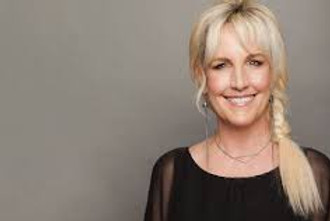
Erin Brockovich (June 22, 1960) is an American legal clerk, consumer advocate, and environmental activist, who, despite her lack of education in the law, was instrumental in building a case against Pacific Gas & Electric Company (PG&E) involving groundwater contamination in a town in California with the help of attorney Ed Masry in 1993. Since then, Brockovich has become a media personality as well, hosting the TV series Challenge America with Erin Brockovich on ABC and Final Justice on Zone Reality. She is the president of Brockovich Research & Consulting. She also works as a consultant for the New York law firm of Weitz & Luxenberg, which has a focus on personal injury claims for asbestos exposure, and Shine Lawyers in Australia. She worked as a consultant for the now-defunct California law firm Girardi & Keese.
THE CURE
The case (Anderson, et al. v. Pacific Gas & Electric, file BCV 00300) alleged contamination of drinking water with hexavalent chromium in the town of Hinkley, near Barstow in southern California. At the center of the case was a facility, the Hinkley compressor station, built in 1952 as a part of a natural-gas pipeline connecting to the San Francisco Bay Area. Between 1952 and 1966, PG&E used hexavalent chromium in a cooling tower system to fight corrosion. The waste water was discharged to unlined ponds at the site, and some of the waste water percolated into the groundwater, affecting an area of approximately 2 square miles near the plant. The Regional Water Quality Control Board (RWQCB) put the PG&E site under its regulations in 1968.
The case was settled in 1996 for (US) $333 million, the largest settlement ever paid in a direct-action lawsuit in United States history to that date. Masry & Vititoe, the law firm for which Brockovich was a legal clerk, received $133.6 million of that settlement, and Brockovich received $2.5 million as part of her fee.
THE CURE TODAY
A study released in 2010 by the California Cancer Registry showed that cancer rates in Hinkley "remained unremarkable from 1988 to 2008". An epidemiologist involved in the study said that the 196 cases of cancer reported during the most recent survey of 1996 through 2008 were fewer than what he would expect based on demographics and the regional rate of cancer.

Something The Lord Made
.jpg)
SOMETHING THE LORD MADE
ABOUT SOMETHING THE LORD MADE
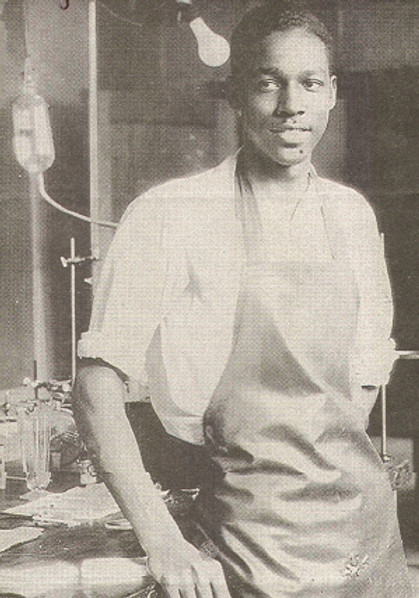
Vivien Theodore Thomas (August 29, 1910 – November 26, 1985) was an American laboratory supervisor who developed a procedure used to treat blue baby syndrome (now known as cyanotic heart disease) in the 1940s.
He was the assistant to surgeon Alfred Blalock in Blalock's experimental animal laboratory at Vanderbilt University in Nashville, Tennessee, and later at the Johns Hopkins University in Baltimore, Maryland.
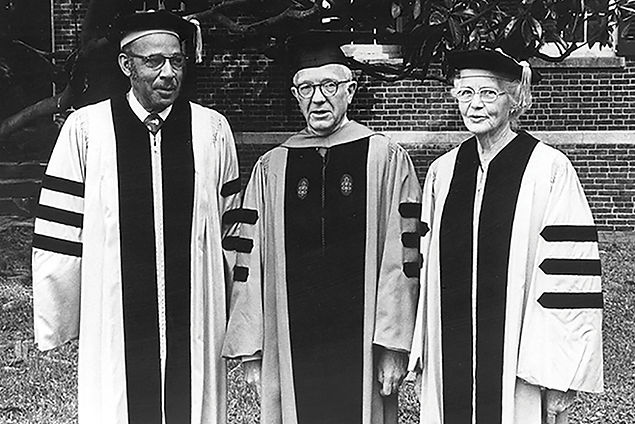
Thomas was unique in that he did not have any professional education or experience in a research laboratory; however, he served as supervisor of the surgical laboratories at Johns Hopkins for 35 years. In 1976, Hopkins awarded him an honorary doctorate and named him an instructor of surgery for the Johns Hopkins School of Medicine. Without any education past high school, Thomas rose above poverty and racism to become a cardiac surgery pioneer and a teacher of operative techniques to many of the country's most prominent surgeons.
Alfred Blalock (April 5, 1899 – September 15, 1964) was an American surgeon most noted for his work on the medical condition of shock as well as Tetralogy of Fallot— commonly known as Blue baby syndrome. He created, with assistance from his research and laboratory assistant Vivien Thomas and pediatric cardiologist Helen Taussig, the Blalock-Thomas-Taussig Shunt, a surgical procedure to relieve the cyanosis from Tetralogy of Fallot. This operation ushered in the modern era of cardiac surgery. He worked at both Vanderbilt University and Johns Hopkins University, where he studied both as an undergraduate and worked as chief of surgery.
He is known as a medical pioneer who won various awards, including Albert Lasker Clinical Medical Research Award. Blalock was also nominated several times for the prestigious Nobel Prize in Medicine.
THE CURE
The Blalock–Thomas–Taussig shunt (commonly called the Blalock–Taussig shunt) is a surgical procedure used to increase blood flow to the lungs in some forms of congenital heart disease. These conditions, in which a child is born with an abnormal heart include pulmonary atresia and Tetralogy of Fallot and are common causes of blue baby syndrome. The procedure involves connecting a branch of the subclavian artery or carotid artery to the pulmonary artery. In modern practice, this procedure is temporarily used to direct blood flow to the lungs and relieve cyanosis while the infant is waiting for corrective or definitive surgery.
THE CURE TODAY
The Blalock–Thomas-Taussig shunt is used to this day in the first step of the three stage palliation the Norwood Procedure. The Norwood Procedure is the first of three surgeries intended to create a new functional systemic circuit in patients with hypoplastic left heart syndrome and other complex heart defects with single ventricle physiology
Dallas Buyers Club
DALLAS BUYERS CLUB
ABOUT DALLAS BUYERS CLUB
Ronald Dickson Woodroof (February 3, 1950 – September 12, 1992) was an American man who created what would become known as the Dallas Buyer's Club in March 1988, one of several such AIDS buyers clubs that sprang up at the time. After contracting HIV in 1985, he created the group as part of his efforts to find and distribute drugs to treat HIV at a time when the disease was poorly understood. He sued the United States Food and Drug Administration (FDA) over a ban on peptide T, a drug he was using. Woodroof's final years became the basis of the 2013 film Dallas Buyers Club. Seven years following his diagnosis of HIV, Ron Woodroof died on September 12, 1992, from pneumonia brought on by AIDS.
THE CURE
In the 2013 biographical film Dallas Buyers Club, protagonist Ron Woodroof promotes the use of injected peptide T as a treatment for HIV/AIDS and Alzheimer's disease and sues the FDA over their efforts to limit his ability to use peptide T, as it was an unapproved medicine.
CURE TODAY
Peptide T is an HIV entry inhibitor discovered in 1986 by Candace Pert and Michael Ruff, a US neuroscientist and immunologist. Peptide T, and its modified analog Dala1-peptide T-amide (DAPTA), a drug in clinical trials, is a short peptide derived from the HIV envelope protein gp120 which blocks binding and infection of viral strains which use the CCR5 receptor to infect cells. Peptide T has several positive effects related to HIV disease and Neuro-AIDS.
Peptide T clinical development was stopped due to the propensity of the liquid nasal spray to lose potency upon storage and shifted to its shorter oral analog, the pentapeptide CCR2/CCR5 antagonist RAP-103 (Receptor Active Peptide) for neuropathic pain and neurodegeneration. RAP-103 also blocks CCR8, which may be important in neuropathic pain.
Inhibitors of CCR5, including DAPTA, prevent and reverse neurodegeneration and are therapeutic targets in stroke/brain injury and dementia, such as in Parkinsons Disease dementia.